Houston Bought the Tools. Nobody Read the Manual.
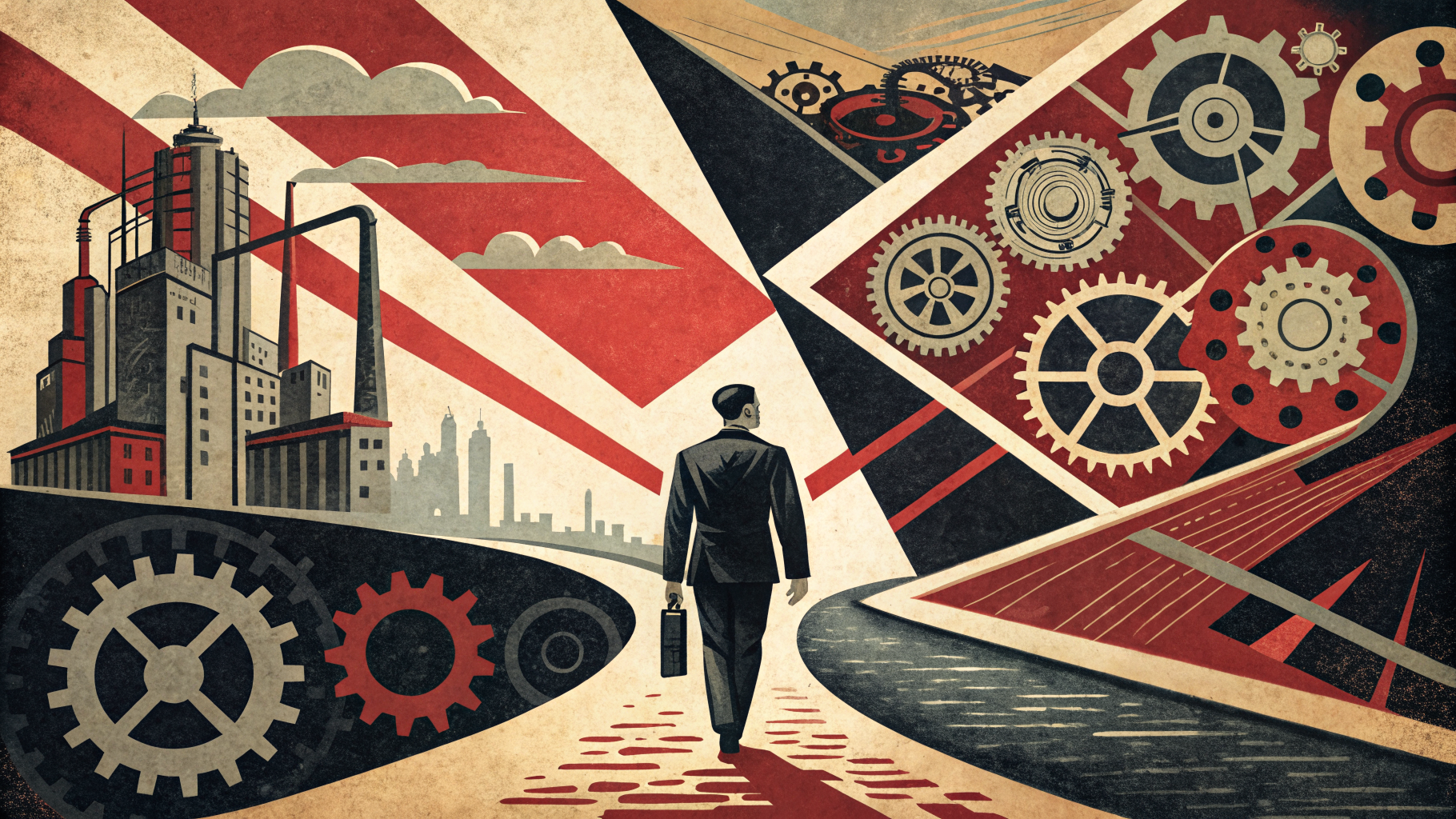
Illustration: Ciigma × Recraft V3
72% of small businesses have no AI strategy at all#
The U.S. Chamber of Commerce and Teneo surveyed 1,000 small business owners in Q1 2024. Less than a third had any kind of AI adoption plan. Among those who had adopted AI tools, most were using a single application (usually ChatGPT) for one task. No integration. No workflow redesign. No measurement.
Houston is no exception. If anything, the city's business landscape amplifies the problem. The energy sector pivot created a wave of new service companies, consultancies, and startups. The Texas Medical Center ecosystem alone generates thousands of support businesses. The metro area has 250,000+ small businesses. Most of them are run by operators who are experts in their field and stretched too thin to audit their own technology stack.
The pattern I keep seeing splits in two directions. Some owners think AI is the cure to every operational problem they've ever had. Others are convinced it's a gimmick that will blow over. Both camps end up in the same place: no strategy, no results, and a growing pile of unused software.
The tool trap#
The default AI adoption path for a Houston business looks like this: someone on the team starts using ChatGPT for emails. The owner reads an article about AI automating customer service. They sign up for a chatbot platform. The chatbot sits on their website for two months, handles three conversations, and gets ignored.
This pattern repeats across industries. Real estate brokerages, HVAC companies, immigration law firms, medical practices, logistics operators. The tools are cheap and accessible. The strategy to deploy them is not.
According to McKinsey's 2024 Global AI Survey, only 28% of companies using AI report meaningful financial impact from it. The other 72% bought software. They didn't buy outcomes.
The 28% had someone sit down with them. Someone who mapped their actual workflows, identified the bottlenecks worth automating, and built systems that connect to how the business actually runs. The other 72% bought software and hoped for the best.
What "technology consulting" means in 2026#
Most firms that call themselves technology consultants in Houston are selling staff augmentation or ERP implementations. That was the game in 2015. The market has shifted underneath them.
A modern consulting engagement looks like this: a senior strategist audits your operations, identifies the three to five highest-leverage automation opportunities, and builds a phased roadmap that accounts for your team's capacity, your existing tools, and your actual revenue model. Then they stay involved through implementation.
That's what we do in our Strategy & Consulting practice. We don't sell hours. We sell outcomes tied to specific metrics.
The engagement starts with a question: where are you losing time, leads, or money because a human is doing something a system should handle? The answer is almost always more specific than the owner expects.
Proof from the same zip code#
OpenAccess Realty is a Houston-based real estate brokerage with 120,000 Instagram followers. Before working with us, their agents were manually handling every inbound DM, every qualification call, every booking. Leads were slipping through during showings, after hours, on weekends.
We mapped their pipeline, identified the bottlenecks, and deployed AI-powered automation flows for intake, qualification, and scheduling. Response time dropped from hours to under one second. The result: ~100 automated bookings per week. No additional hires. No additional ad spend. The demand was already there. The pipeline was leaking it.
That engagement didn't start with "let's buy an AI tool." It started with a strategic audit of where the business was bleeding.
The Houston-specific opportunity#
Houston has structural advantages that most local businesses aren't capitalizing on.
Diversifying talent pool. The energy transition is pushing engineers, project managers, and analysts into adjacent industries. These people understand systems thinking. They're ready to adopt AI workflows if someone shows them how.
Cost arbitrage. Operating costs in Houston are 15-25% lower than in coastal tech hubs. That means the ROI on automation hits faster. A system that saves $3,000/month in labor is proportionally more impactful when your overhead is already lean.
Service density. Houston is the fourth-largest city in the U.S. with a service economy that runs on relationships, referrals, and responsiveness. Every one of those axes can be amplified with the right AI infrastructure. Faster responses. Smarter referral tracking. Automated follow-up that feels personal.
The businesses that figure this out first will compound while their competitors are still evaluating chatbot platforms.
What bad consulting looks like#
You've probably already encountered it. A firm sells you a "digital transformation roadmap" that's a 40-page PDF full of quadrants and maturity models. You pay $15,000 for the document. It sits in a shared drive. Nothing changes.
Or worse: a generalist IT consultancy bolts an AI feature onto your existing CRM, calls it "AI-powered," and bills for the integration. Six months later, nobody on your team uses it because it doesn't match how they actually work.
Good consulting is opinionated. It tells you what not to build. It prioritizes ruthlessly. It connects strategy to implementation so the gap between "we should do this" and "this is running" is weeks, not quarters.
Is your business ready?#
Quick diagnostic
- You have at least one person answering leads manually (calls, DMs, emails)
- Your follow-up depends on someone remembering to do it
- You're paying for 3+ software tools that don't talk to each other
- You've tried an AI tool and abandoned it within 90 days
- You know your competitors are moving but you don't know where to start
If you checked two or more, you're not behind. You're exactly where most Houston businesses are right now. The difference is what you do next.
More tools won't fix it. A partner who understands both the technology and the business well enough to tell you exactly where to apply it will.
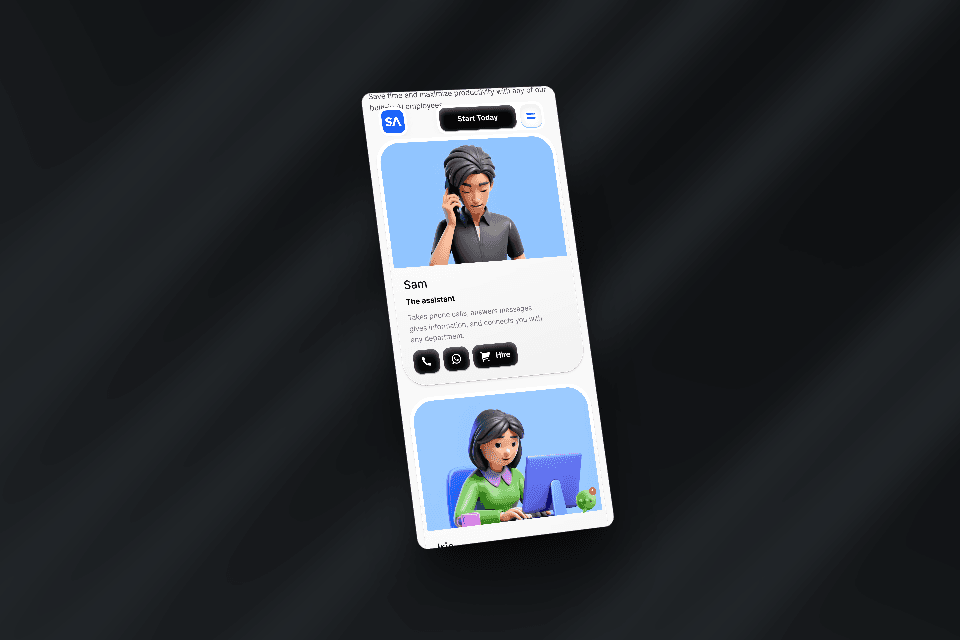
Don't need a strategy session. Just need something that works right now.
- AI assistant that answers calls, DMs, and messages 24/7
- Books appointments and follows up automatically
- Works out of the box with your existing tools
- Built by Ciigma for small service businesses
Start with a strategic audit. We'll find the biggest leak in your operation and show you how to close it.
See how our advisory worksConcept, draft & direction
Claude, tuned to Ciigma's editorial voice
AI editor